
League of Comic Geeks
League of Comic GeeksComics
4.7389.00 Reviews
- Version
- 3.4.5
- Installs
- 100.00K
- Age Rating
- Teen
Screenshots
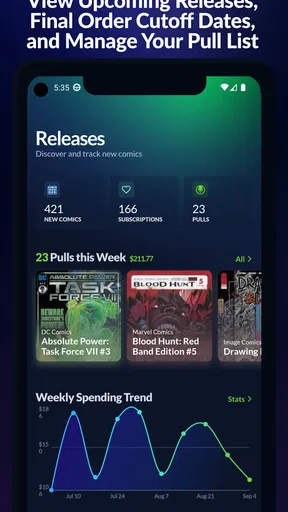
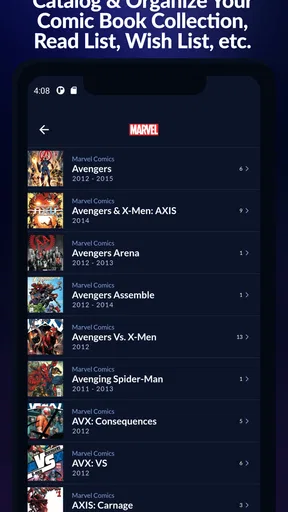
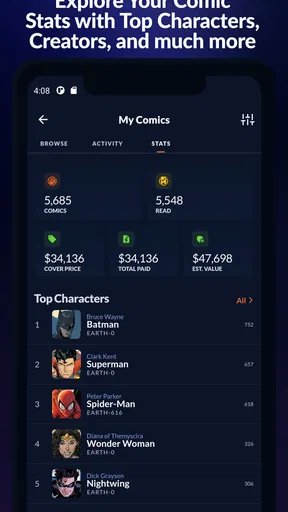
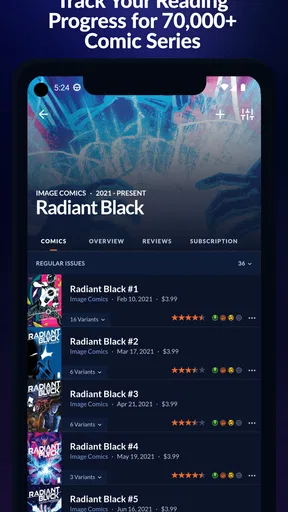
Our Review of League of Comic Geeks
 Analysis by Appyee
I found League of Comic Geeks most useful when I treated it as a working companion for reading comics rather than just another place to browse covers. It is a free comics app from League of Comic Geeks, built around discovering new releases and keeping a personal collection or pull list organized. After spending time moving between browsing, planning purchases, and checking what I already own, I came away with a clear impression: it is especially helpful for readers who follow several ongoing series and want one dedicated space for their comic habits.
The app has a 4.7 average from around 2.6 thousand ratings, which matches my general experience of it feeling focused and dependable for its main purpose. It has passed 100 thousand installs, and its Teen content rating makes it more suitable for older children, teenagers, and adults than for very young readers. It is available at no cost, so trying it does not require a financial commitment. The Android release I reviewed was version 3.4.3, supporting devices running Android 7.0 or later.
How comfortably the app supports different readers
I find the app’s focused approach useful because it gives different readers room to build a routine around their own comic habits, rather than insisting on one way to organize everything. In this section, I’ll look at how that flexibility can help a new collector, a long-time series follower, or someone who needs shorter, more deliberate sessions. The key is choosing a simple purpose for each list so the app stays manageable.
Readable browsing for people who follow a lot of series
The strongest part of the experience is the way the app gives comic readers a place to sort their attention. A casual reader may only need a quick search now and then, but someone following multiple publishers, characters, or storylines can quickly lose track of what is coming next. The collection and pull-list idea addresses that problem directly. Instead of relying on memory, notes, screenshots, or a general shopping list, I could use a comic-specific system for deciding what I wanted to follow.
I also liked that the app’s purpose is easy to understand once I opened it. The main activities are familiar: discover releases, inspect comics, save items for later, and manage what belongs in my collection. That clarity matters for readers who find broad entertainment apps distracting. League of Comic Geeks does not try to become a general social network, ebook reader, or news feed. Its narrower focus makes the first few minutes less confusing than they might be in a larger comic marketplace.
For readability, the visual nature of comics is both a benefit and a limitation. Cover art makes recognition quick, especially when I already know the character or series I am looking for. At the same time, a screen filled with covers can become busy. Readers with low vision, visual processing difficulties, or sensitivity to dense layouts may need to move slowly and use the device’s own display controls. I would not describe the app as a dedicated accessibility tool; its inclusive value comes mainly from its focused organization and the fact that it reduces the amount of comic information I have to hold in my head.
A practical habit helped me more than simply scrolling. I used the collection as a record of what I had already committed to, while keeping the pull list for future purchases or upcoming reading decisions. Separating those two purposes prevents a common problem: mixing books I own with books I merely intend to buy. That distinction is a small workflow choice, but it makes the app much more useful over time.
Navigation that works best with a deliberate routine
I found navigation easier when I entered with a specific question. For example, “What new comics should I check this week?” is a better starting point than opening the app without a plan and browsing indefinitely. The release-focused side is good for discovery, while the collection side is better when I already know what I am trying to manage. Switching between those mindsets can take a little adjustment, particularly for a new user who has not yet decided how to organize a personal library.
The app is not only for people with enormous collections. A smaller collection can benefit from the same structure because it gives a reader a reliable place to begin. If I finished an issue and wanted to remember the next part of the series, a pull list was more useful than leaving a browser tab open. If I wanted to check whether a comic belonged in my records, the collection offered a more appropriate destination than a shopping app’s favorites list.
That said, readers who prefer extremely simple tools may feel that maintaining a collection is extra work. A paper list or a basic notes application can be faster for recording a handful of titles. The advantage here appears when the number of comics, series, or future purchases starts to grow. In my view, the app earns its place when organization is becoming a recurring problem, not when someone only wants to remember one occasional recommendation.
Motor and sensory considerations during everyday use
From a motor-access perspective, the app is most comfortable when I could use ordinary scrolling, tapping, and text entry without rushing. The core tasks do not require complex gestures or fast reactions, which makes it calmer than many entertainment apps. A reader can browse at their own pace, pause on a cover, and return to a list without the pressure found in action-oriented software.
There is still a practical difference between browsing and organizing. Browsing mainly involves scrolling and selecting. Managing a collection or pull list asks for more repeated taps and decisions, especially if a reader is adding many comics at once. Someone with limited dexterity, tremors, or fatigue may find long catalog-maintenance sessions tiring. I would recommend working in short batches rather than trying to process an entire backlog in one sitting.
Voice input from the phone can make searching and entering titles easier for people who find typing difficult, although the usefulness of that approach depends on the device and the search term. Larger system text and display settings may also help, but they can change how much information fits on screen. That creates a trade-off: increased text size can improve legibility while requiring more scrolling. I would adjust the phone first, then use the app for shorter, focused sessions to see which balance feels comfortable.
Sensory needs deserve similar attention. Comic covers often use strong colors, dramatic lettering, and crowded artwork. That is natural for the subject, but it may be visually tiring for people sensitive to contrast, flashing imagery, or dense compositions. I found it easier to use the app in a quiet setting and to avoid treating it like an endless feed. The experience is more manageable when I search for a series, review a list, and stop, rather than continuously scanning every available cover.
Readers who are sensitive to unexpected audio may appreciate that the central experience is visual and catalog-based rather than built around constant sound. I would still rely on the phone’s own sound, notification, and display controls because comfort depends on the device environment as much as the app itself. The important point is that the app does not demand rapid sensory reactions; it mainly asks the reader to inspect information and make choices.
Using it in different real-life situations
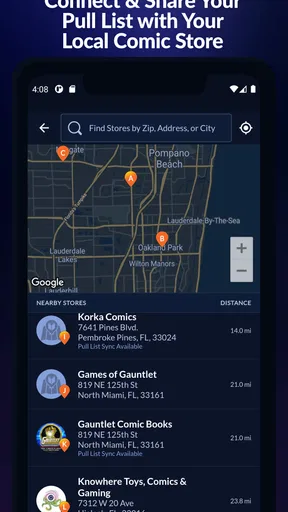
The most realistic use case for me was preparing for a comic-shop visit. Before going out, I could review the series I wanted to look for and keep future purchases in one place. At the shop, that meant less guessing and fewer moments of trying to remember whether a title was already part of my plan. If I found something unexpected, I could make a deliberate choice instead of buying it simply because the cover caught my attention.
Another useful situation is planning a reading month around a busy schedule. I might have several ongoing books, a few collected editions, and older issues I have not finished. The app cannot replace personal judgment about what I have time to read, but it can reduce the organizational burden. I could separate owned comics from intended purchases and use that distinction to avoid creating an unrealistic reading queue.
It also makes sense for readers who share recommendations with friends. Rather than relying on a memory-based conversation, I could look up a title and keep my own list of books that deserve further attention. This is particularly useful when a recommendation arrives in passing and I do not want to lose it. The app becomes a memory aid for comic discovery, not merely a record of completed reading.
For commuters or people with limited attention, the experience depends on the quality of the connection and the environment, so I would not make it the foundation of an urgent plan without checking everything beforehand. A crowded train, bright sunlight, or one-handed use can make any cover-heavy catalog less comfortable. The app is better suited to a short planning session at home, a calm break, or a focused visit to a shop than to hurried use while walking or multitasking.
Families should also consider the Teen rating before handing the app to a younger reader. The rating does not make the app inappropriate for every teenager, but it is a reminder that comic catalogs can include material aimed at older audiences. I would treat the rating as a reason for parents and guardians to decide whether the content fits the individual child, rather than assuming that a comics app is automatically suitable for all ages.
Where the experience still creates barriers
The biggest barrier is that the app assumes the user wants to maintain comic information. That is its strength, but also its dividing line. If I only read digital comics casually, do not collect issues, or prefer to keep every note in a general-purpose app, the extra structure may feel unnecessary. The product is more compelling for active comic followers than for someone looking for a simple reader or a one-time title search.
It is also important to understand what kind of tool this is. I would not install it expecting a full replacement for a comic-reading application. Its value is in discovery and collection management, not in making the act of reading an issue itself the center of the experience. Readers who want panels, narration, reading modes, or a highly specialized digital reading interface should look toward a dedicated reading service instead.
There is a similar trade-off with physical and digital habits. People who buy comics from several places may appreciate having one personal planning space, but they still need to keep their own records accurate. A list is only useful when I update it consistently. If I forget to mark purchases or add titles in batches without checking them, the collection can become less trustworthy. The app reduces memory work; it does not remove the need for occasional housekeeping.
Visual browsing can also be a barrier for users who rely heavily on screen readers or who need very strong text-first presentation. I would test the app with the accessibility settings already used on the phone before committing to a large catalog. The focused purpose is encouraging, but I would not assume that every part of a cover-led interface will be equally comfortable for every assistive-technology user.
Finally, a newcomer may need time to decide how to structure their lists. Should a future series go into the pull list immediately? Should a comic be added to the collection only after purchase? Should recommendations be tracked separately? The app can support a useful system, but the system has to come from the reader. I found that writing down a simple rule for myself prevented the app from turning into another unorganized backlog.
Practical ways to get more from it
My first recommendation is to start with one purpose instead of importing every comic-related thought at once. I would begin by adding the series I actively follow, then use the release view to discover what deserves attention. This makes the app feel responsive rather than overwhelming and gives the collection a clear meaning from the beginning.
Second, use the pull list as a decision tool, not as a permanent wish dump. If I add every interesting cover, the list quickly stops showing what I genuinely intend to buy. Reviewing it before a shopping trip helps keep the list realistic and makes the app more useful for budgeting time and attention, even though the app itself is free.
Third, separate accessibility adjustments from organizational adjustments. Increasing text size, changing display settings, or using voice input may improve physical interaction, while dividing owned and wanted comics improves mental clarity. Combining both approaches is more effective than expecting one setting to solve every difficulty.
Fourth, review the collection after a reading or buying session rather than waiting for a large backlog. Short maintenance sessions reduce repeated tapping and make errors easier to spot. This is especially helpful for users with limited stamina, because the app can remain a quick check-in instead of becoming a demanding catalog project.
Finally, use the app to support a personal reading plan, not to dictate one. A release calendar can reveal what is new, but it cannot know whether I am in the mood for a particular genre, whether a storyline is accessible to me today, or whether I already have too many unfinished books. The best results came when I used the app for memory and planning, then made the final choices myself.
Who should choose it, and who should skip it
I would recommend League of Comic Geeks to someone who follows several comic series, regularly visits comic shops, or wants a dedicated record of owned and intended books. It is also a good fit for readers who have outgrown scattered notes and want their comic planning to live separately from general shopping or reading apps. The free price makes experimentation easy, and the app’s focused structure can quickly become part of a regular routine.
I would be more cautious recommending it to someone seeking a pure digital comic reader, a minimalist title-notes tool, or an interface designed specifically around extensive assistive technology. Those users may find a dedicated reader, a simple notes app, or a more text-centered catalog better suited to their priorities. The same applies to very young readers, since the Teen rating calls for age-appropriate judgment.
My overall view is positive because the app solves a specific problem without pretending to solve every comic-related problem. Its best contribution is reducing the mental effort involved in remembering releases, separating owned books from future plans, and keeping discovery connected to a personal collection. Those benefits become more noticeable as a reader’s interests expand.
League of Comic Geeks is most valuable when organization, not reading playback, is the obstacle. I found its focused approach easier to live with than a general-purpose list once my comic interests became more active, although it still requires consistent updating and may not suit every visual or motor-access need. For readers willing to establish a simple routine, it is a practical, approachable home for comic discovery and collection planning.
After using it, I would keep it installed for the planning side of my hobby. I would not use it as my only tool for reading comics, and I would test its comfort with my own display and assistive settings before building a large collection. Within those boundaries, the app feels like a thoughtful companion for people who want to follow comics with less guesswork and more control.
Privacy and Permissions
See what permissions an app requests and how it handles your data.
- Location
- approximate location (network-based), precise location (GPS and network-based)
- Photos/Media/Files
- read the contents of your USB storage, modify or delete the contents of your USB storage
- Storage
- read the contents of your USB storage, modify or delete the contents of your USB storage
- Camera
- take pictures and videos
- Microphone
- record audio
- Other
- view network connections, full network access, control vibration, prevent device from sleeping
Verdict
Strengths of League of Comic Geeks
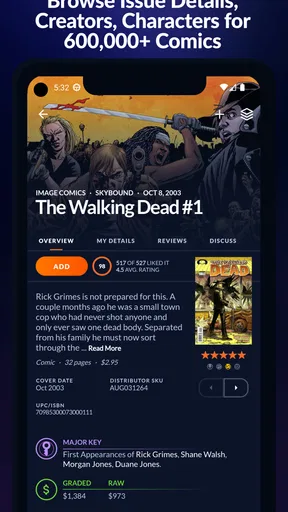
- Detailed comic databases with issue, creator, and character information.
- Useful collection tools for tracking owned, read, and wanted comics.
- Personalized recommendations help discover new series and publishers.
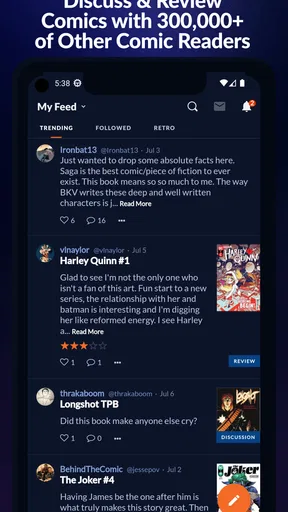
- Community ratings and reviews offer helpful perspectives from other readers.
- Release calendars make it easier to follow upcoming comic publications.
Limitations of League of Comic Geeks
- Some advanced collection features may require a paid subscription.
- The large database can feel overwhelming for new comic readers.
- Community content quality may vary between titles and individual reviews.
- Recent or niche releases may occasionally have incomplete information.
- Frequent notifications can become distracting without careful settings.
Similar Picks in This Category
View All
WEBTOON: Manga, Comics, Manhwa
NAVER WEBTOON4.6

MangaToon: Comic & Manga
MangaToon4.3

네이버 웹툰 - Naver Webtoon
NAVER WEBTOON4.3

Tapas – Comics and Novels
Tapas Entertainment Inc.4.2

Lezhin Comics - Daily Releases
LEZHIN ENTERTAINMENT3.3

WebComics - Webtoon & Manga
WEBCOMICS HOLDINGS HK LIMITED4.4
Frequently Asked Questions
What is League of Comic Geeks, and what can I use it for?
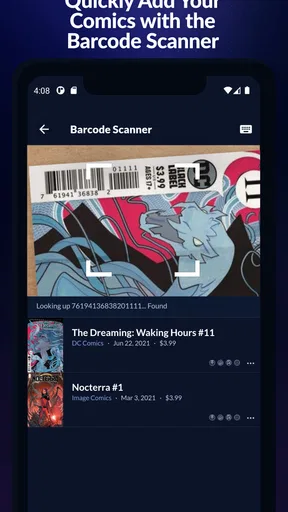
League of Comic Geeks is a comic-book tracking and discovery app for readers who want to organize their collections and follow new releases. After setting up a profile, you can catalog issues, series, trades, and graphic novels, create reading lists, monitor upcoming publications, and discover recommendations. It is especially useful for readers who regularly visit comic shops or follow several publishers and ongoing storylines.
Can I track my comic collection and reading progress?
Yes. The app is designed to help you manage a personal comic collection in detail. You can mark issues as owned, wanted, read, or unread, making it easier to see what you already have and what you still need to find. Collection tools are particularly helpful for large libraries, although adding many older issues may require some time and careful checking of editions, variants, and collected formats.
Does League of Comic Geeks show new comic releases and pull lists?
League of Comic Geeks provides release information for upcoming comics and helps users plan the titles they want to obtain. You can follow series, publishers, and characters, then use the information to build a personal pull list or shopping checklist. Release dates and availability can vary by country, retailer, and distribution schedule, so the app should be treated as a planning tool rather than a guarantee that every issue is available locally.
Can I use League of Comic Geeks to discover comics and connect with other readers?
Yes. Alongside collection management, the app includes social and discovery features that let readers browse titles, view community activity, share opinions, and find recommendations. You can explore comics based on publishers, characters, creators, genres, or related series. Community information can be useful when choosing what to read next, but ratings and comments are subjective, so it is worth checking several opinions before making a purchase.
Is League of Comic Geeks free, and do I need an account to use it?
The app offers core comic-tracking and discovery features without requiring every user to purchase a subscription, but some advanced options or conveniences may depend on the current membership plan and platform policies. Creating an account is recommended if you want your collection, lists, and reading activity to remain connected across devices. Before downloading, review the latest in-app pricing, privacy terms, and account requirements because these details may change over time.
